
What Are the Advantages of Virtual Speech Therapy?
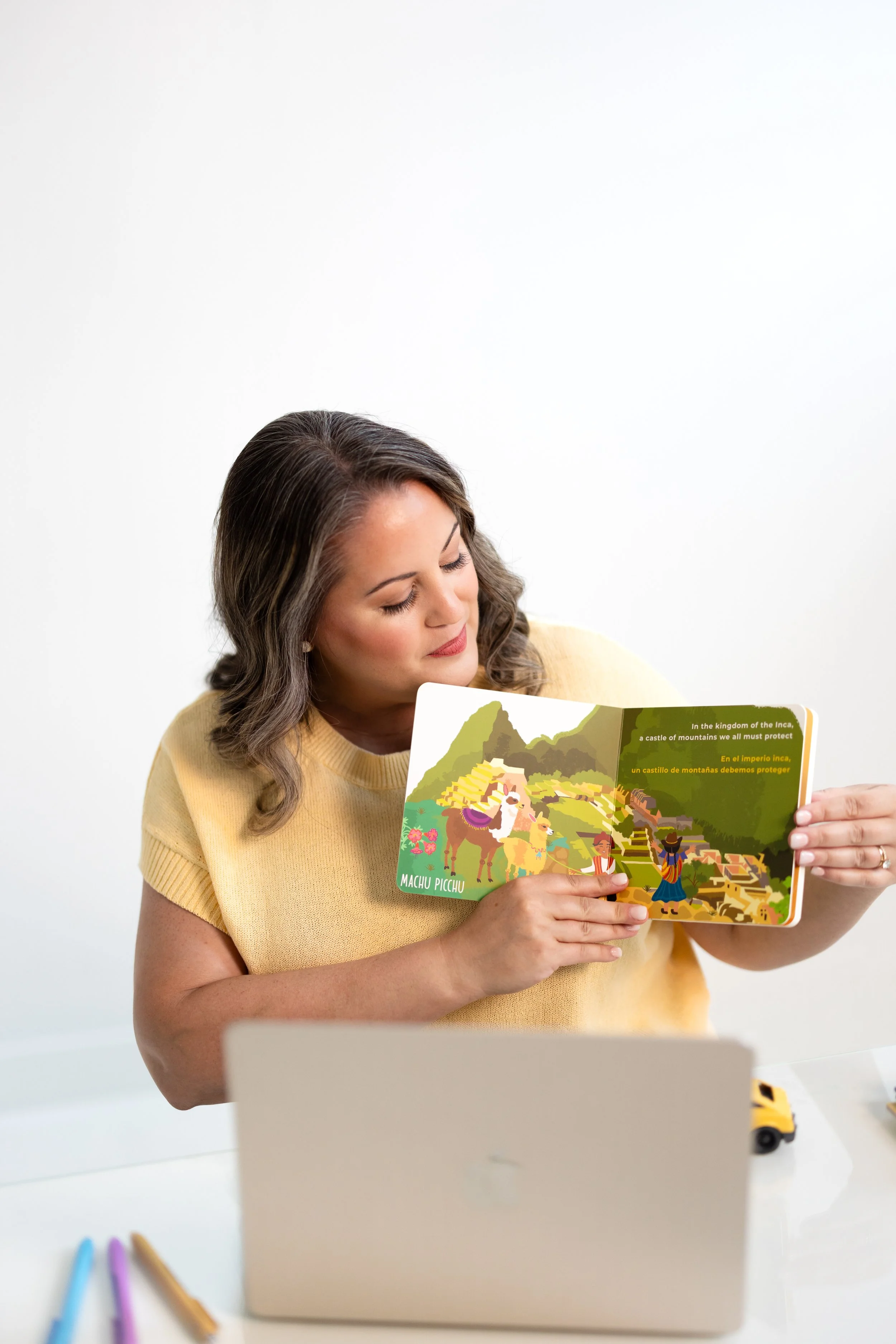
Virtual speech therapy session between speech-language pathologist and student using teletherapy platform
Many school districts and families are asking the same question: what are the benefits of virtual speech therapy? Virtual speech therapy allows licensed speech-language pathologists to provide therapy and evaluations online, making services more accessible, flexible, and convenient. In this article, we explore the advantages of virtual speech therapy for both school districts and families.
Speech therapy has traditionally taken place in schools, hospitals, and private clinics. In recent years, many school districts and families have started exploring virtual speech therapy, also called teletherapy or telepractice.
Virtual speech therapy allows a licensed speech-language pathologist to provide assessment and treatment through secure video technology. While this approach became more visible during the pandemic, telepractice has actually been used in speech-language pathology for many years.
I have been a speech-language pathologist for 16 years, and for the past 6 years I have provided virtual speech therapy. Each year I work with more than 100 students ranging from age 3 through college, providing therapy and evaluations for school districts and private clients in both English and Spanish.
After six years of providing virtual speech therapy, I can confidently say that teletherapy is not a second-best option. In many situations, it is the reason students are able to receive services at all.
Below are some of the biggest advantages of virtual speech therapy that I have seen for both school districts and families.
1. Greater Access to Speech Therapists
One of the biggest benefits of virtual speech therapy is simple. It improves access.
Many school districts across the United States struggle to hire speech-language pathologists. This is especially true in rural areas or districts that need clinicians with specific expertise such as bilingual services.
Virtual speech therapy allows districts to work with qualified clinicians regardless of location.
In my own work, I often serve rural school districts that have Spanish-speaking students but no bilingual speech therapist available locally. Teletherapy allows those students to receive services from a clinician who speaks their language and understands their communication needs.
Without virtual services, many of these students would either wait a long time for therapy or might not receive services at all.
The American Speech-Language-Hearing Association recognizes telepractice as an effective way to increase access to services, particularly in rural or underserved communities (ASHA, 2023).
2. A Practical Solution for School Staffing Shortages
School districts frequently face the same challenge. They simply cannot find a speech therapist to fill an open position.
Virtual speech therapy helps solve this problem by expanding the hiring pool. Instead of only searching locally, districts can work with clinicians across the country.
Teletherapists can also help districts maintain services when unexpected situations arise. For example, virtual providers may support districts during:
maternity or family medical leave
sudden vacancies
increased caseloads
temporary staffing shortages
When this happens, students can continue receiving therapy while the district works on a longer-term solution.
This helps districts maintain consistent services and stay compliant with IEP requirements.
3. Access to Specialized Providers
Another advantage of teletherapy is that districts can access clinicians with specific expertise.
Speech-language pathologists often develop experience in areas such as:
bilingual language development
augmentative and alternative communication (AAC)
complex language disorders
articulation and phonological disorders
therapy for older students and transition-age learners
When services are delivered virtually, districts can match students with therapists who have the right experience for their needs instead of hoping to find someone locally. This can make a meaningful difference in the quality of services students receive.
4. Convenience for Families
Many families choose online speech therapy for kids because it simplifies their daily routines and eliminates the need to travel to therapy appointments.
Parents often tell me that the biggest benefit is not having to drive to another appointment after school or work.
Virtual therapy removes many common barriers, including:
commuting to and from appointments
long waitlists for local providers
pulling students out of school
choosing between therapy and extracurricular activities
I once worked with a student whose family would have needed to drive more than 45 minutes each way to reach the closest speech therapist. Virtual therapy allowed the student to begin services quickly and receive therapy right at home.
Instead of spending time traveling, the student was able to focus on therapy.
5. Flexible Scheduling
Another benefit of teletherapy is flexibility.
Many families appreciate that virtual speech therapy can fit more easily into their schedules. Sessions can take place at home, which allows parents to stay nearby and observe if they choose.
Some parents sit with their child during the session. Others prepare dinner or complete other tasks while their child participates in therapy at the kitchen table.
Families also appreciate that sessions can continue even when challenges arise such as bad weather or minor illness in the household.
This flexibility often helps students attend therapy more consistently.
6. Opportunities for Parent Involvement
Virtual speech therapy can also make it easier for parents to stay involved.
Because sessions occur in the home environment, parents can observe therapy strategies and learn ways to support communication throughout daily routines.
Parent involvement has long been recognized as an important part of successful speech therapy. When parents understand what their child is working on, they can reinforce those skills outside of therapy sessions.
7. Students Can Make Excellent Progress
One of the most common misconceptions about teletherapy is that children will not pay attention or will struggle to make progress.
In reality, engagement depends much more on the clinician's experience and how the session is structured.
During my six years providing teletherapy, I have seen students make strong progress while also enjoying the sessions.
Research supports these observations. Studies have found that telepractice can produce outcomes comparable to in-person therapy for many speech and language disorders (Grogan-Johnson et al., 2011; Coufal et al., 2018).
Virtual Speech Therapy vs In-Person Speech Therapy
Many families and school teams wonder how virtual speech therapy compares to traditional in-person services.
Both models can be effective when provided by a qualified speech-language pathologist, but they offer different advantages.
In-person therapy can be helpful when students benefit from physical materials, sensory supports, or hands-on interaction.
Virtual speech therapy often provides advantages such as increased access to specialized providers, reduced travel time for families, and greater scheduling flexibility.
For many of the districts and families I work with, virtual speech therapy is the reason services are available at all.
Who Is Virtual Speech Therapy Best For?
Virtual speech therapy often works particularly well for:
Students in rural areas who may not have access to local speech therapists.
Families with busy schedules who want therapy that fits easily into their routines.
Students who feel more comfortable at home and benefit from familiar environments.
School districts experiencing staffing shortages that need qualified providers quickly.
How to Choose a Virtual Speech Therapist
If you are considering virtual speech therapy, it is important to choose a qualified and experienced provider.
Look for a speech-language pathologist who has:
a master's degree in speech-language pathology
current state licensure
experience providing teletherapy services
You may also want to ask:
How long have you been providing virtual speech therapy?
What age groups do you typically serve?
What types of communication challenges do you treat most often?
Finding a therapist who is experienced with telepractice can make a meaningful difference in the success of therapy.
Virtual Speech Therapy Services
Virtual speech therapy can be a practical and effective option for both school districts and families.
Through my practice, I provide:
virtual speech therapy for children and adolescents
bilingual speech and language services in English and Spanish
speech and language evaluations
services for students from preschool through college
You can learn more about my school services at The Essential Teletherapist.
If you are a speech-language pathologist interested in learning how to confidently provide virtual therapy, you can explore my course The Essential Teletherapist.
Virtual speech therapy continues to expand access to communication services for students across the country.
For school districts, it helps solve staffing challenges and provides access to specialized clinicians.
For families, it offers convenience, flexibility, and quicker access to services.
Most importantly, it allows many students to receive speech therapy who might otherwise have difficulty accessing it.
Frequently Asked Questions
Is virtual speech therapy effective?
Yes. Research has shown telepractice outcomes can be comparable to in-person therapy for many speech and language disorders.
Can young children participate in virtual speech therapy?
Yes. Many preschool and elementary-aged children participate successfully when sessions are structured appropriately.
Do virtual speech therapists have the same qualifications?
Yes. Virtual SLPs must have the same degrees, licensure, and continuing education as in-person therapists.
References
American Speech-Language-Hearing Association. (2023). Telepractice.
https://www.asha.org/practice-portal/professional-issues/telepractice/
Coufal, K. L., Parham, D. F., Jakubowitz, M., Howell, C., & Reyes, J. (2018). Comparing traditional service delivery and telepractice for speech sound production using a functional outcome measure. American Journal of Speech-Language Pathology, 27(1), 82–90. https://doi.org/10.1044/2017_AJSLP-17-0007
Grogan-Johnson, S., Schmidt, A. M., Schenker, J., Alvares, R., Rowan, L., & Taylor, J. (2011). A comparison of speech sound intervention delivered by telepractice and side-by-side service delivery models. Communication Disorders Quarterly, 34(4), 210–220. https://doi.org/10.1177/1525740112441144
About the Author
Ellie Richter, M.A., CCC-SLP, is a bilingual speech-language pathologist and the founder of The Essential Teletherapist. She has more than 16 years of clinical experience and has been providing virtual speech therapy for the past 6 years.
Ellie works with over 100 students each year ranging from preschool through college, providing speech therapy and evaluations for both school districts and private clients. She specializes in bilingual English-Spanish services and frequently supports rural school districts that need access to qualified speech-language providers.
Through her work and training programs, Ellie helps school districts, families, and fellow speech-language pathologists deliver high-quality virtual speech therapy services.
